
Thymalin/Thymulin
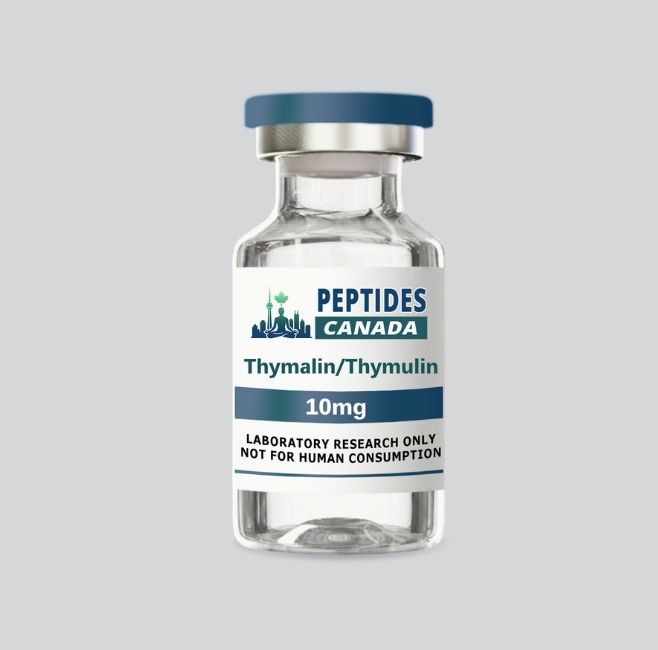
Thymalin is a thymus-derived polypeptide complex that has been investigated for its immunomodulatory properties. Studies have explored its potential role in supporting T-lymphocyte activity and its use in research involving acute respiratory syndrome, chronic obstructive bronchitis, and other immune-related disorders. Thymulin, by comparison, is a distinct thymus-derived metallopeptide involved in both intrathymic and extrathymic T-cell differentiation. Produced exclusively by thymic epithelial cells, it consists of a biologically inactive nonapeptide known as serum thymic factor (FTS) bound to a zinc ion in a 1:1 ratio, with zinc required for its biological activity.
Thymalin/Thymulin
Sale!6%
Thymalin is a thymus-derived polypeptide complex that has been investigated for its immunomodulatory properties. Studies have explored its potential role in supporting T-lymphocyte activity and its use in research involving acute respiratory syndrome, chronic obstructive bronchitis, and other immune-related disorders. Thymulin, by comparison, is a distinct thymus-derived metallopeptide involved in both intrathymic and extrathymic T-cell differentiation. Produced exclusively by thymic epithelial cells, it consists of a biologically inactive nonapeptide known as serum thymic factor (FTS) bound to a zinc ion in a 1:1 ratio, with zinc required for its biological activity.
$189.00
Buy more, save more!
-
Save 1%
Buy 3, get $2.50 off each
$189.00Per item: $186.50Total price: $559.50 -
Save 2%
Buy 5, get $3.75 off each
$189.00Per item: $185.25Total price: $926.25 -
Save 4%
Buy 10, get $7.50 off each
$189.00Per item: $181.50Total price: $1,815.00
$200.00$189.00

99+% PURITY
All peptides are third-party lab tested.

SECURE PAYMENT
Your payments are secure with our private security network.

FREE SHIPPING
for orders over $250
Description
Additional information
Reviews (0)
Thymalin is a thymus-derived peptide complex originally developed from peptide fractions. It should not be confused with Thymulin, which is a distinct thymic peptide hormone with a different molecular structure and biological function.
Thymulin is a zinc-dependent nonapeptide that has been studied for its role in immune regulation, particularly its influence on T-cell maturation, differentiation, and cytokine signalling.
As a research peptide, Thymalin is studied for its potential effects on immune regulation, inflammation, and cellular function. Published studies have reported that thymic peptide complexes may help modulate immune responses by influencing T-lymphocyte activity and cytokine production, although much of the clinical evidence comes from older studies and requires further validation through modern, large-scale clinical trials.
Thymulin is likewise studied for its immunoregulatory activity and its possible role in supporting normal thymic signalling and immune balance.
| Strength Variation |
|---|

There are no reviews yet.