
AOD9604
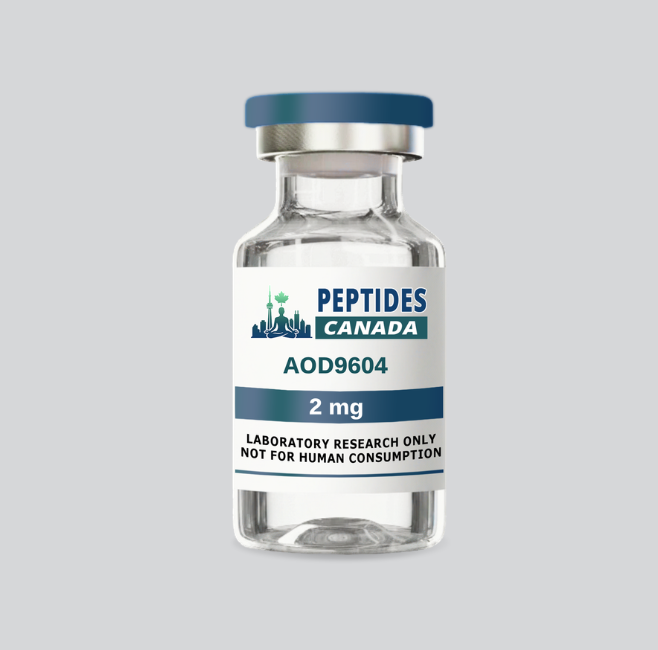
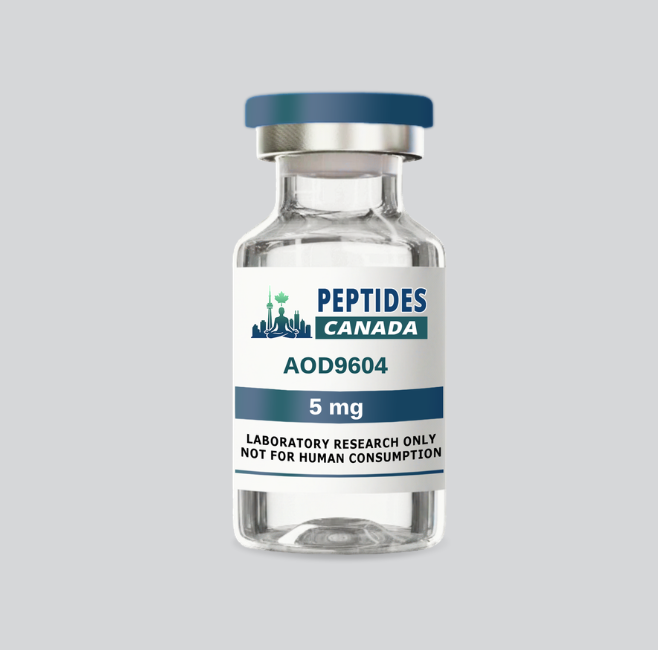
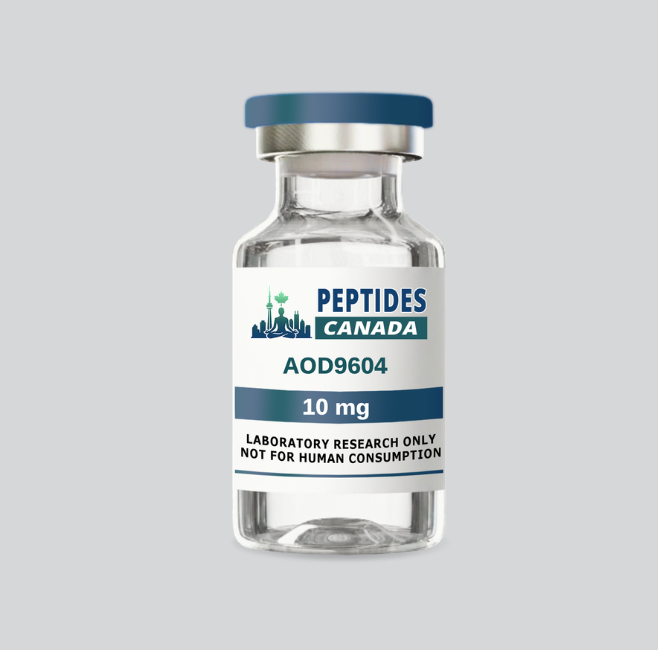
AOD-9604 is a peptide fragment derived from a small segment of human growth hormone. It corresponds to amino acids 176–191 from the C-terminal region of the growth hormone molecule, a portion associated with the regulation of fat metabolism. The concept behind its design is to isolate the lipolytic (fat-metabolizing) activity of growth hormone while avoiding the broader systemic effects linked to the full-length hormone, such as insulin resistance and unwanted tissue growth.
AOD9604
Sale!
AOD-9604 is a peptide fragment derived from a small segment of human growth hormone. It corresponds to amino acids 176–191 from the C-terminal region of the growth hormone molecule, a portion associated with the regulation of fat metabolism. The concept behind its design is to isolate the lipolytic (fat-metabolizing) activity of growth hormone while avoiding the broader systemic effects linked to the full-length hormone, such as insulin resistance and unwanted tissue growth.
$165.00
Buy more, save more!
-
Save 2%
Buy 3, get $2.50 off each
$165.00Per item: $162.50Total price: $487.50 -
Save 2%
Buy 5, get $3.75 off each
$165.00Per item: $161.25Total price: $806.25 -
Save 5%
Buy 10, get $7.50 off each
$165.00Per item: $157.50Total price: $1,575.00
$169.00$165.00

99+% PURITY
All peptides are third-party lab tested.

SECURE PAYMENT
Your payments are secure with our private security network.

FREE SHIPPING
for orders over $250
Description
Additional information
Reviews (0)
AOD-9604 selectively targets the region associated with fat metabolism while leaving IGF-1 and insulin signalling pathways unaffected. This selectivity makes it useful in research settings where the goal is to examine lipolysis without the confounding influences of growth promotion, glucose regulation changes, or broader anabolic effects.
Studies suggest AOD-9604 may act through several pathways:
- Interacts with beta-3-adrenergic receptors on white adipose tissue to initiate metabolic signalling.
- Stimulates the lipolytic breakdown of stored triglycerides into free fatty acids and glycerol for energy utilization.
- May reduce the formation of new fat from excess carbohydrates.
- Promotes cartilage matrix maintenance and repair, potentially via localized growth factor pathways independent of systemic fat metabolism.
Common research areas:
- Obesity and metabolic regulation studies
- Fat oxidation and adrenergic signalling pathways
- Cartilage repair and joint degradation models
- Metabolic syndrome and lipid profile research
- Comparative studies of growth hormone fragments and IGF-1–independent mechanisms

There are no reviews yet.